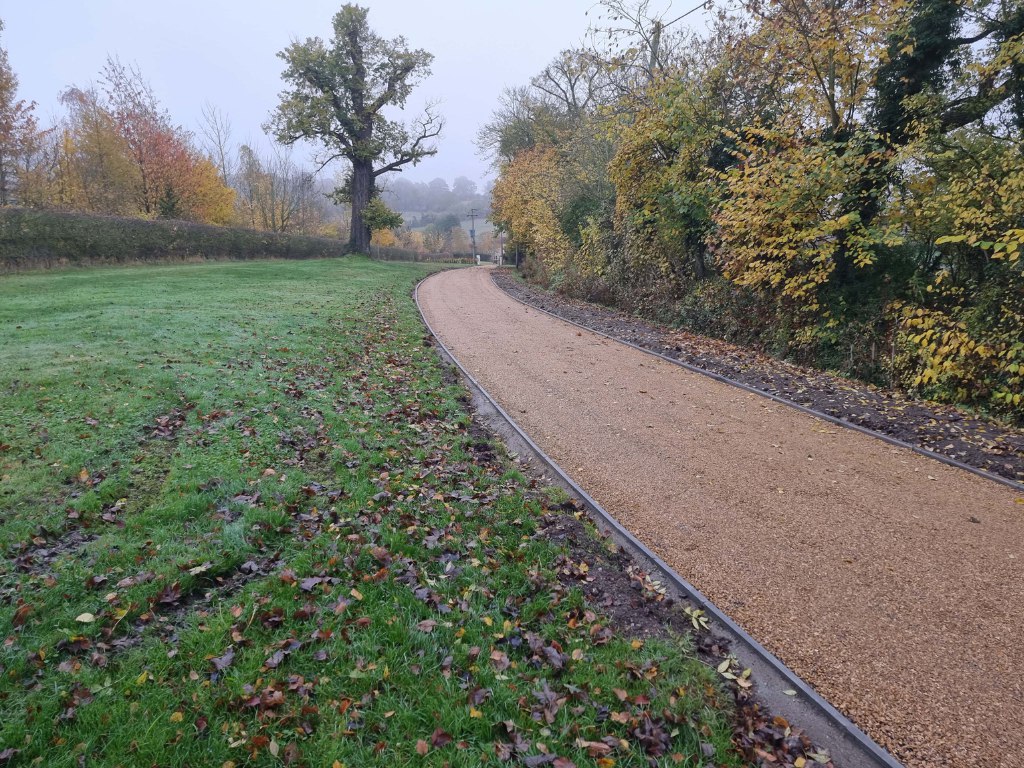
Residential Tarmac: A Practical Guide to Durable Outdoor Surfaces
Tarmac is a practical surfacing option for homeowners looking to create a durable and easy-to-maintain driveway, path or other outdoor area. Its smooth finish and ability to withstand regular vehicle and pedestrian use make it suitable for a range of residential applications.
For homeowners in Isleham, Cambridgeshire, choosing the right surfacing material is only part of the process. Good ground preparation, suitable drainage and professional installation all contribute to the long-term performance of a residential tarmac surface.
What Is Residential Tarmac?
Residential tarmac is a surfacing material commonly used for driveways, paths, parking areas and other outdoor spaces around homes. It consists of aggregate bound together to form a continuous, hard-wearing surface.
The finished surface can provide a practical entrance to a property while creating a neat and consistent appearance. Tarmac can also be used for larger residential areas where a durable surface is required for regular vehicle movement.
Where Can Tarmac Be Used Around a Home?
Tarmac is not limited to driveways. It can be considered for several outdoor applications, including:
- Residential driveways
- Paths and walkways
- Parking areas
- Access routes
- Courtyards
- Private roadways
- Areas connecting different parts of a property
The most suitable application will depend on the property’s layout, intended use and existing ground conditions.
What Are the Benefits of a Tarmac Surface?
One of the main advantages of tarmac is its ability to provide a smooth and continuous surface. This makes it practical for vehicles and can also provide comfortable access for pedestrians.
Other benefits include:
- A clean, uniform appearance
- Good resistance to regular traffic
- Straightforward routine maintenance
- A smooth surface for vehicle access
- Suitability for different residential applications
- The ability to repair or resurface areas when necessary
The quality and longevity of a tarmac surface depend significantly on how well the site has been prepared before installation.
Why Is Ground Preparation So Important?
A strong surface starts beneath the tarmac. If the underlying ground is weak, unstable or poorly compacted, problems can develop regardless of the quality of the surfacing material.
Preparation may involve removing unsuitable material, establishing an appropriate foundation and compacting the underlying layers. The exact requirements depend on the existing site and the intended use of the finished area.
Proper preparation helps create a stable base capable of supporting everyday residential traffic.
How Does Drainage Affect Tarmac?
Water management is an important consideration for any outdoor surface. If rainwater is allowed to collect on or beneath a tarmac area, it can contribute to deterioration over time.
The driveway or other paved area should therefore be designed with suitable falls and drainage arrangements so that water can move away effectively.
During planning, existing drainage, surrounding ground levels and the position of buildings should all be considered.
Is Tarmac Suitable for Busy Residential Driveways?
Tarmac can be well suited to residential driveways that experience frequent vehicle movements. A properly constructed surface can provide a durable route for everyday cars and light vehicles.
Where heavier vehicles are expected to use the area, the construction and foundation should be designed accordingly. The expected traffic should always be considered before installation so that the surface is appropriate for its intended use.
How Can Homeowners Maintain Residential Tarmac?
Although tarmac is relatively straightforward to maintain, regular attention can help identify developing problems.
Homeowners should look out for:
- Cracks or surface deterioration
- Depressions or uneven areas
- Standing water
- Damaged edges
- Loose or deteriorated sections
- Weeds developing through damaged areas
Addressing defects at an early stage can help prevent them from becoming more extensive.
Choosing Residential Tarmac in Isleham
For homeowners considering a new driveway, path or other outdoor surface in Isleham, Cambridgeshire, Isleham Driveways can assess the site and discuss suitable tarmac solutions.
A professional assessment can consider the existing ground, drainage, access requirements and intended use of the surface. This helps ensure the proposed tarmac installation is designed around the property rather than using a standard approach for every site.
If you are planning a residential tarmac project in Isleham, contact Isleham Driveways to discuss your requirements and arrange a professional assessment.
Conclusion
Residential tarmac can provide a practical, durable surface for driveways, paths, parking areas and other outdoor spaces. Its performance, however, depends on more than the finished material. Proper ground preparation, effective drainage and suitable installation are all essential factors.
For homeowners in Isleham, Cambridgeshire, considering these elements before work begins can help create an outdoor surface that is practical, stable and suited to everyday use. Isleham Driveways can assess your requirements and provide appropriate tarmac surfacing solutions for your property.
Call us on: 01638 597 108
Click here to find out more about Isleham Driveways
Click here to complete our contact form and see how we can help with your driveway needs.